
What is a DIY Funeral?
Last updated 28 April 2026 by the SunLife Content Team
6 min read
A DIY funeral combines an unattended cremation or burial with a self-arranged celebration of life. People may choose this type of funeral if they are looking to save money, or who want a more personalised send-off.
Whether you are planning a DIY funeral for someone who was close to you, or thinking about your own funeral wishes, read on to explore what a DIY funeral is, how you can organise one yourself, and how to save money while honouring someone.
What does a DIY Funeral involve?
A DIY Funeral can be a cremation or a burial. The funeral itself has two parts; the practical side of dealing with your loved one's body or their ashes, and the service for mourners.
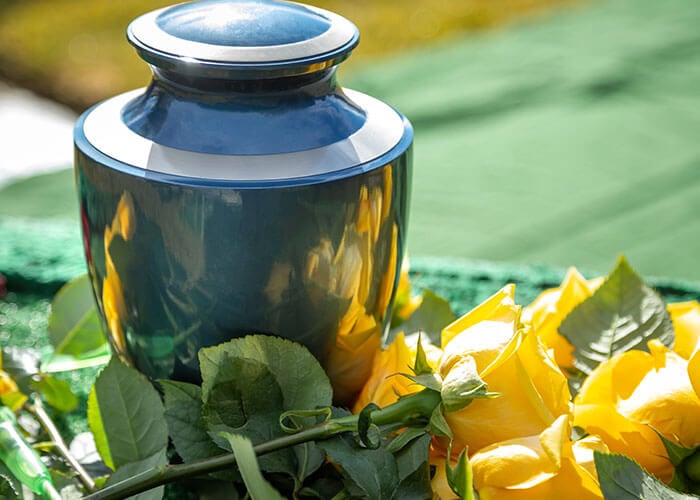
Laying your loved one to rest
A DIY funeral typically involves arranging a direct (or ‘unattended’) cremation or burial with a funeral director or other service provider.
A direct cremation is a cremation with no attendees. The body is collected and then the ashes of your loved one delivered back to your door at a later date.
Similarly, a direct burial is a burial with no attendees. Once the body is collected, it is buried at your chosen burial plot.
It’s important to note that you will usually not be able to choose the day or time of the committal with either a direct cremation or direct burial.
The service
For direct cremations and burials, there is no option for a service as part of the funeral. However, having some kind of service or memorial is an important part of saying ‘goodbye’ for most people.
In fact, our research shows 9 in 10 families who organise a direct cremation do so as part of a ‘DIY funeral’. This means they still hold a gathering, memorial or celebration of life.
There are no rules as to what the service must include or when it needs to take place. It can be completely personal to your needs, preferences and budget.
Why choose a DIY funeral?
There are a few reasons why you may choose a DIY funeral. These could be:
- To make the service more personal.
- To allow more time between the funeral itself and the service.
- To keep costs down.
However, a DIY funeral might not work for you if:
- You don’t have the time to organise the event.
- You would prefer to be present for the cremation.
- You want to have a Funeral Director involved throughout to support and guide you.
Arranging a funeral can be a lot to deal with while you are grieving. If you are thinking about requesting a DIY funeral for yourself, check that your loved ones are happy to take this on.
How to arrange a DIY funeral with a cremation
- Establish a budget.
The average cost of a direct cremation is £1,600. But most people also spend around £1,300 on the celebration. If you are planning a DIY funeral, think about how you can cover costs, and what your maximum budget is.
- Choose a direct cremation or direct burial provider.
There are many providers out there, but your local funeral director is also likely to offer these services. Make sure you understand everything that is and isn't included when comparing prices.
- Plan your celebration of life, service or memorial.
Think about your available budget, the best place to hold the event, who you wish to involve in the planning and hosting, and who you would like to invite.
Ideas and inspiration for a DIY funeral and cremation
It’s natural to feel pressure to ‘get it right’. But remember, attendees will care more about remembering their loved one together than the ceremony itself.
If you are hosting your own memorial event and are trying to keep costs down, here are some ideas:
The Venue
You can hire a venue, or you could host a celebration at home. You can also celebrate in nature at a park or forest, or on the beach.
If having a wake doesn’t feel right, you could celebrate by going as a group to spread their ashes. Spend the day walking around their favourite area, or raise a toast in their local pub. Whatever feels appropriate for your loved one.
The urn
Your cremation service may send ashes back in a temporary container. You can then transfer these to a better urn that reflects you or your loved one. Examples include:
- Using a favourite jewellery box with a strong clasp
- A cookie jar of a beloved character
- A cloth bag made from a favourite piece of clothing
- A small toolbox or seed box
- A cookery jar with their favourite recipe on the front
Flowers
Those who have organised a funeral often say they feel like they spent too much on flowers.
One option to include flowers without the cost could be make your own display:
- Buy some oasis from a gardening centre and some reduced or fake flowers.
- Cut or shape the oasis to your chosen design.
- Thread the flowers into the oasis.
You could also collect flowers from your own or the deceased’s garden. That way, they are even more personal to you.
The music
When asking guests to RSVP, why not also ask them to provide a song that you can combine into a playlist? You can even share this playlist with your guests after the event.
Using a speaker and a streaming service makes playing these songs at your event easy. Much easier than collecting CDs or even Vinyl. But if music was their soul, using their favourite music player or their own collection can add a personal touch.
If you’re struggling for songs, why not try our Funeral Song Generator?
The food
You don’t have to provide food, but there are ways to save money if you do. Why not ask everyone to bring a dish that reminds them of their loved one? The same with drinks. You could also ask a few people to bring a bottle or two to spread the cost.
Keepsakes
From painted stones or wood to ribbons with the deceased’s name on them, small mementos can really make the day without breaking the bank.
Other ideas can also include handing out small pieces of fabric (snippets from their old kitchen tablecloth, for example), or, for the seamstresses, making items like teddy bears from old clothes.
Stationery
Invites, timetables and remembrance books can all cost money, but you can create your own. You can use online design software with a print-on-demand service, which usually includes a host of templates, or you can buy a notepad and decorate the front.
Otherwise, get rid of the stationery and share information through social media or messaging. Organising a video call also includes those who may have trouble physically attending or live too far away.
Reduce, reuse
Making conscious choices of how much you buy or use on the day will help keep the cost down.
Natural decisions like opting to use the good china to remember your loved one means you will both be celebrating them, as well as reduce any need to buy new or paper crockery, for example.
Theme, ambience and atmosphere
If the deceased had a favourite perfume or aftershave, why not spray it around the space (being mindful of respiratory problems).
Or choose a theme that celebrates their favourite things. Football shirts, bright colours, or fancy dress can all add to the celebration.

The choice is yours
How you celebrate the one you love will be as unique as they were. And ensuring they are honoured correctly can be even easier if you’ve had a conversation about it long before you need to plan. Families who know at least some of their loved one’s funeral wishes save, on average, £355 on the send-off.
Make sure you do what is right for you and your loved one and celebrate their life in a way that is right for everyone.
More resources
If you’re organising a funeral on a tight budget, you may find our guide on getting help with funeral costs useful.
If you’re starting to think about your own funeral, you can start to record your own wishes for your loved ones to enact for your own DIY funeral.
If you're looking for ways to celebrate your loved one in a non-religious celebration, you could get some inspiration from our guide to alternative & non-religious funeral ideas.
The thoughts and opinions expressed in the page are those of the authors, intended to be informative, and do not necessarily reflect the official policy or position of SunLife. See our Terms of Use for more info.